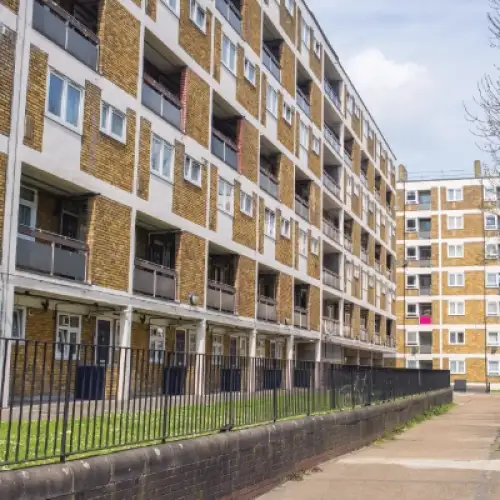
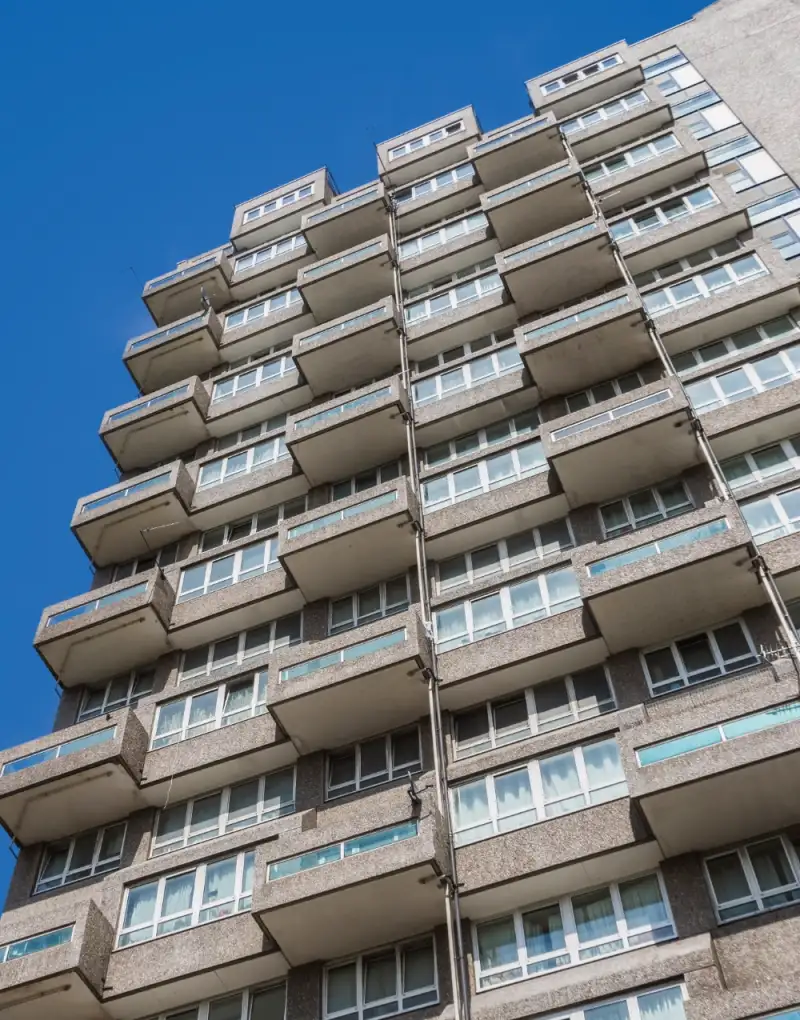
Fire safety in social housing is governed by several pieces of legislation, covering everything from the ongoing management of fire risks in occupied buildings to the design and construction of new homes. For housing providers, understanding how these requirements apply to their buildings is an essential part of protecting residents and managing fire safety across their stock.
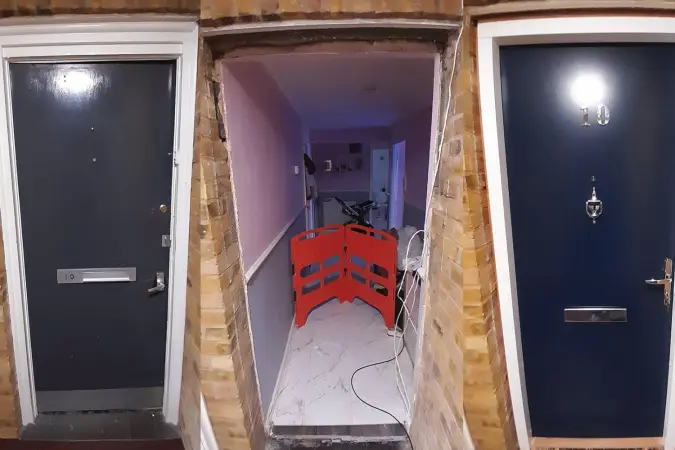
In England and Wales, the Regulatory Reform (Fire Safety) Order 2005 is central to fire safety management in communal areas of blocks of flats. It requires the responsible person to ensure a suitable and sufficient fire risk assessment is carried out, kept up to date, and acted upon. Furthermore, the Fire Safety Act 2021 clarified that assessments must also consider a building’s structure, external walls, and flat entrance doors. Meanwhile, the Fire Safety (England) Regulations 2022 introduced further requirements for responsible persons in residential buildings, including duties relating to fire door checks and the provision of fire safety information. The Building Safety Act 2022 also established a more stringent regulatory regime for higher-risk residential buildings, with additional responsibilities for those accountable for building safety and placing crucial importance on the presence of the golden thread of safety information for every higher-risk build.
At Checkmate Fire, we support social housing providers with specialist fire safety expertise, helping them to firstly understand their buildings in detail, before identifying where action may be needed and planning appropriate next steps.