











Fire protection services

Passive and active fire protection solutions that safeguard people, property and buildings throughout their lifecycle.

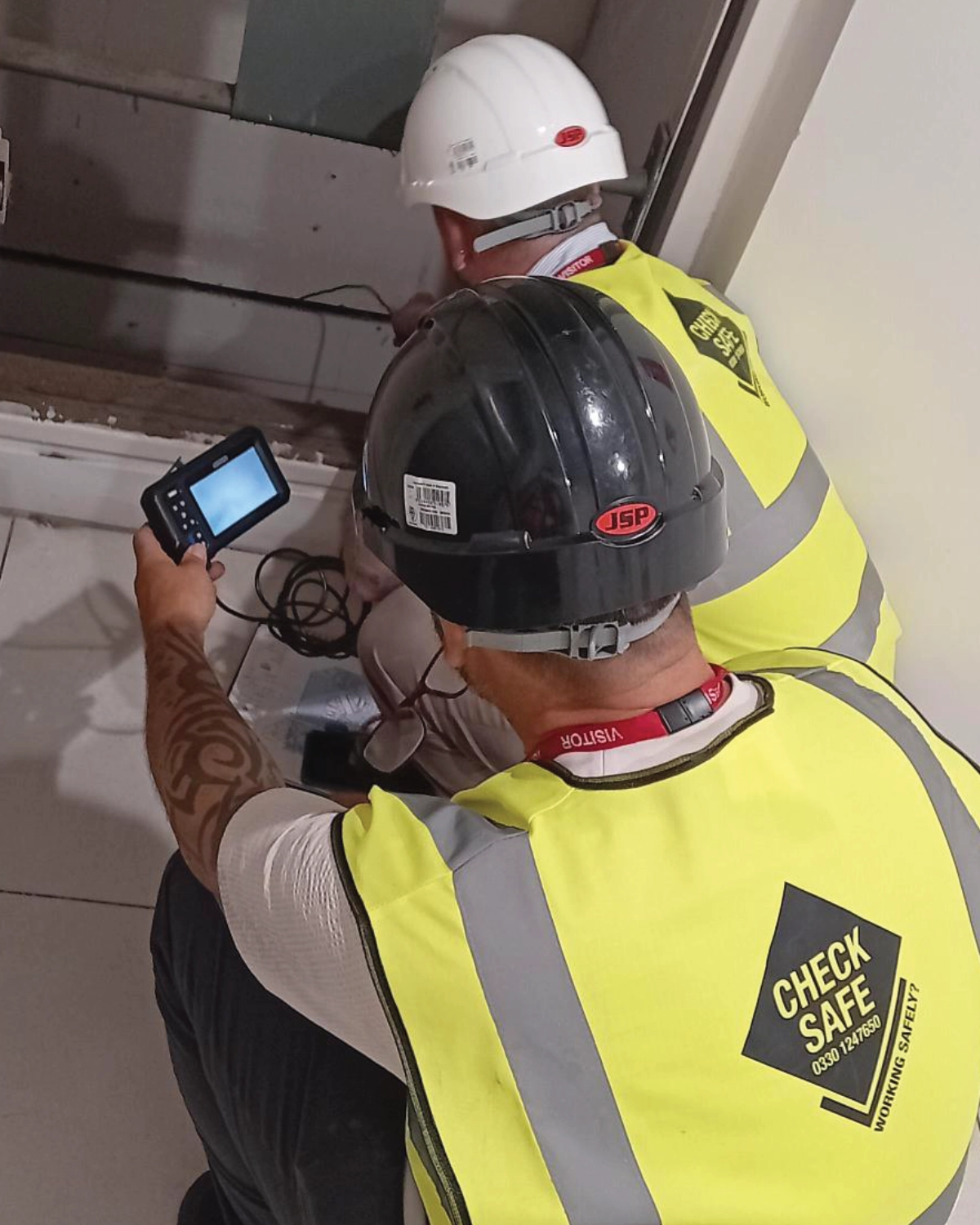
Fire safety audits to assess strategies and systems in practice

checkmate-fire-safety-audits-3.webp
INDEPENDENT ASSURANCE

Providing an independent review of fire safety compliance, audits help identify gaps between policy and practice and capture deficiencies a periodic fire risk assessment alone might not capture.

A fire safety audit serves a distinct yet complementary purpose to a fire risk assessment (FRA). While an FRA provides a detailed account of the fire hazards in your building, the people who may be at risk, and the precautions needed to protect them, an independent audit evaluates whether appropriate fire safety arrangements are being implemented and maintained in practice – with accurate, accessible, and up-to-date documentation to support the golden thread.

The FRA may be used as a starting point to identify gaps in delivery, particularly where an organisation needs assurance across a multi-site portfolio or wants to be confident its existing procedures are still being applied consistently. However, because even the smallest material alterations or usage changes can impact a building’s risk profile, this document-led review should not be relied upon alone. Combining rich technical expertise with sound engineering judgment, our specialists conduct an independent review to ensure fire safety measures are not only complete but also current and effective.

OUR APPROACH

A rigorous approach that evolves alongside the building

An FRA, on its own, does not prove an original fire safety deficiency was resolved. Crucially, hidden defects can also remain undetected for years – the hidden nature of fire dampers, for example, often means faults go unnoticed until a failure occurs, or until ductwork is opened up for more intrusive fire resistance inspections. The strongest and most comprehensive approach is therefore to treat assessments and audits as connected stages, building a more comprehensive picture as part of a wider compliance process.

  • The responsible person should ensure a complete FRA has been undertaken, with all identified actions and priorities recorded. This forms the evidential foundation for any remedial works to follow, ensuring risks are clearly documented before assigning contractors to address them.

  • Clear responsibility should then be assigned for each action, alongside realistic target dates. Without named accountability and defined timescales for remediation, even well-documented risks can stall, leaving fire safety deficiencies unresolved and exposing the responsible person to regulatory scrutiny.

  • Arrange surveys or remedial works where further investigation is required to close any identified gaps. This may involve intrusive inspections or specialist testing, ensuring that proposed solutions accurately reflect the building’s current construction and condition.

  • Retain clear evidence before closing each action, confirming that remedial works have been carried out correctly and to the required standard. This creates a defensible trail to support the golden thread, protecting duty holders should fire compliance, audit activity, or investment decisions ever be challenged.

  • Audit the building’s ongoing fire safety management to confirm fire safety provisions have been implemented, in line with the FRA, and that they remain effective, properly maintained, and fit for purpose as the building evolves. A fire safety audit report will identify any remaining deficiencies that have not yet been addressed, as well as any issues that have arisen since the FRA was last conducted.

  • If the audit does identify significant changes or new risk, the FRA should be reassessed to ensure it keeps pace with alterations to the building, its use, or its occupants. It is not a static document, and should never be treated as such. Our fire safety audit software makes this requirement easy to manage, providing a digital dashboard with interactive reporting that turns complex technical data into actionable insights – so the responsible person is always clear on expert recommendations – while maintaining a single source of truth for building estates to support the golden thread of safety information

WHAT WE EXAMINE

What does a fire safety audit entail?

A fire safety audit examines whether existing fire safety arrangements remain effective, complete, and properly evidenced – reviewing key documentation and procedures, as well as the presence and performance of every active and passive fire product. Audit results are then compiled into a clear, practical, and prioritised report to support ongoing compliance and informed decision making.

FRA and action plan

Reviewing the current FRA and its action plan, we begin by verifying that identified hazards have been addressed, with actions closed out appropriately, and that the assessment remains an accurate reflection of the building’s present-day risk profile.

Active fire protection

Records for active fire protection systems, such as fire alarms, fire extinguishers, and emergency lighting, are checked to confirm testing and servicing have taken place as required, ensuring they remain fully operational and ready to perform when needed.

Passive fire protection

We review passive fire measures – including fire doors, compartmentation, and fire dampers – to confirm they provide effective compartmentation, containing fire and smoke to their point of origin, and have not been compromised by damage, deterioration, or unrecorded alterations.

Training programmes

Staff training records and fire drill evidence are reviewed alongside the building’s emergency evacuation procedures, confirming all occupants understand how to respond in a fire and that evacuation strategies remain clear, practical, and current.

Contractor evidence

We examine contractor reports and completion evidence to confirm installation, maintenance, and remedial works have been carried out correctly and in line with relevant British and European standards, providing a defensible and traceable record.

Change management

We assess fire safety policies, assigned responsibilities, and how building alterations and changes of use are managed day to day, ensuring accountability remains clear and fire safety provisions keep pace with any changes to the premises.

checkmate-fire-safety-audits-7.webp

Deficiencies need not wait to be identified through failures or unforeseen inspections. Responsible persons can voluntarily commission a fire safety audit to evaluate their building’s compliance position at any given time.

COMPLIANCE IN PRACTICE

Understanding what is legally required

An FRA is a statutory requirement, under the Regulatory Reform (Fire Safety) Order 2005, that places a duty on the responsible person to identify hazards in all non-domestic premises and produce an action plan to reduce their risk. While a fire safety audit verifies the implementation of FRA recommendations, and ensures they remain fit for purpose as the building’s risk profile evolves, it is not stipulated by law.

However, that is not to say it is not important. To minimise fire risk, audits are regarded as good practice by many insurers and regulators – particularly in the context of the Building Safety Act 2022, which places greater expectations on the management of more complex, higher-risk buildings. Many scenarios – including local authority inspections, insurance investigations, due diligence exercises for property transactions, and Building Safety Regulatory Scrutiny after refurbishment works – can also draw attention to gaps in live fire safety management. As such, it remains a vital step in reducing the risk of regulatory exposure and building stakeholder confidence, providing a comprehensive evidence base should your fire safety arrangements ever be called into question.

Industries we work with

Sectors we support

No two buildings face the same fire safety challenges, which is why we tailor our services to the unique risks, regulations, and operational demands of every sector – from healthcare and hospitality to education, residential, and commercial environments.

warning-icon-64x64.svg

Protect your fire safety investment with planned preventative maintenance

Fire safety does not stop once systems have been installed – it is an ongoing responsibility that should never be considered a box-ticking exercise. Our planned preventative maintenance (PPM) programmes provide scheduled inspections, servicing, testing, and repairs to keep your fire protection systems compliant and reliable in the moment they are needed. 

Complete fire safety assurance

We deliver all fire safety services in line with current legislation, guidance, and third-party accreditation standards.

Technical expertise and practical delivery

Combining specialist fire safety knowledge with practical experience, we bridge the gap between strategy and reality to deliver greater certainty, informed investment decisions, and confidence in managing assets.

Nationwide coverage

Our UK-wide network provides consistent expertise wherever your buildings are located, supporting sprawling estates and multi-site portfolios.

An end-to-end service

Bringing together specialist consultancy, inspections, remediation, and installation, we provide a complete view of fire safety – from initial assessment through to long-term assurance and evidence.

Find the right support

Whether you’re looking for a service, sector, resource, or technical guidance, quickly find the expertise and support you need to move forward with confidence.

HOW CAN WE HELP?

Ready to see how your fire safety management performs in practice?

Whether you would like to ensure consistent fire safety approaches across a complex, multi-site portfolio, gather a strong evidence base to build stakeholder confidence, or ensure fire safety measures are still proportionate to your building’s risk profile, we are here to help.