The challenge
The hotel’s existing fire alarm system, which was installed more than 15 years ago, had reached the end of its operational lifecycle. It was a closed protocol system and, as such, relied on manufacturer-specific components and software. With spare parts becoming harder to source and limited flexibility, the hotel made the decision to futureproof the building and ensure guests would continue to be protected to the high fire, life, and safety standards the company is known for.
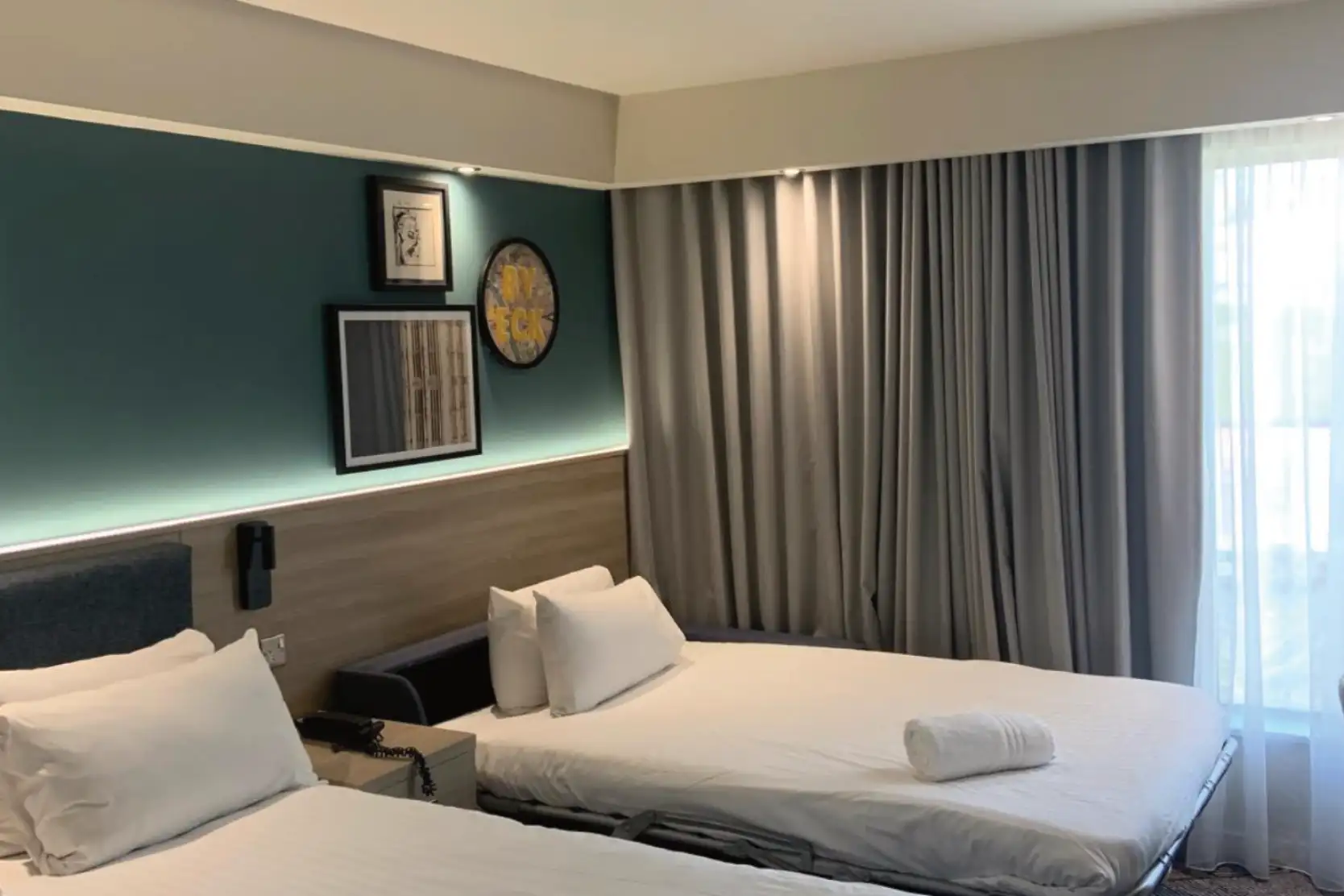
Facilitating a full replacement in such a setting is far from straightforward. The hotel operates at high occupancy year round, with guests present day and night across its multiple floors. Unlike many other environments where partial system downtime can be tolerated, fire detection in a hotel must remain fully operational – and compliant – at all times. Any lapse in coverage would bring about unacceptable safety risk and force temporary closure, not only impacting revenue but compromising reputation too.
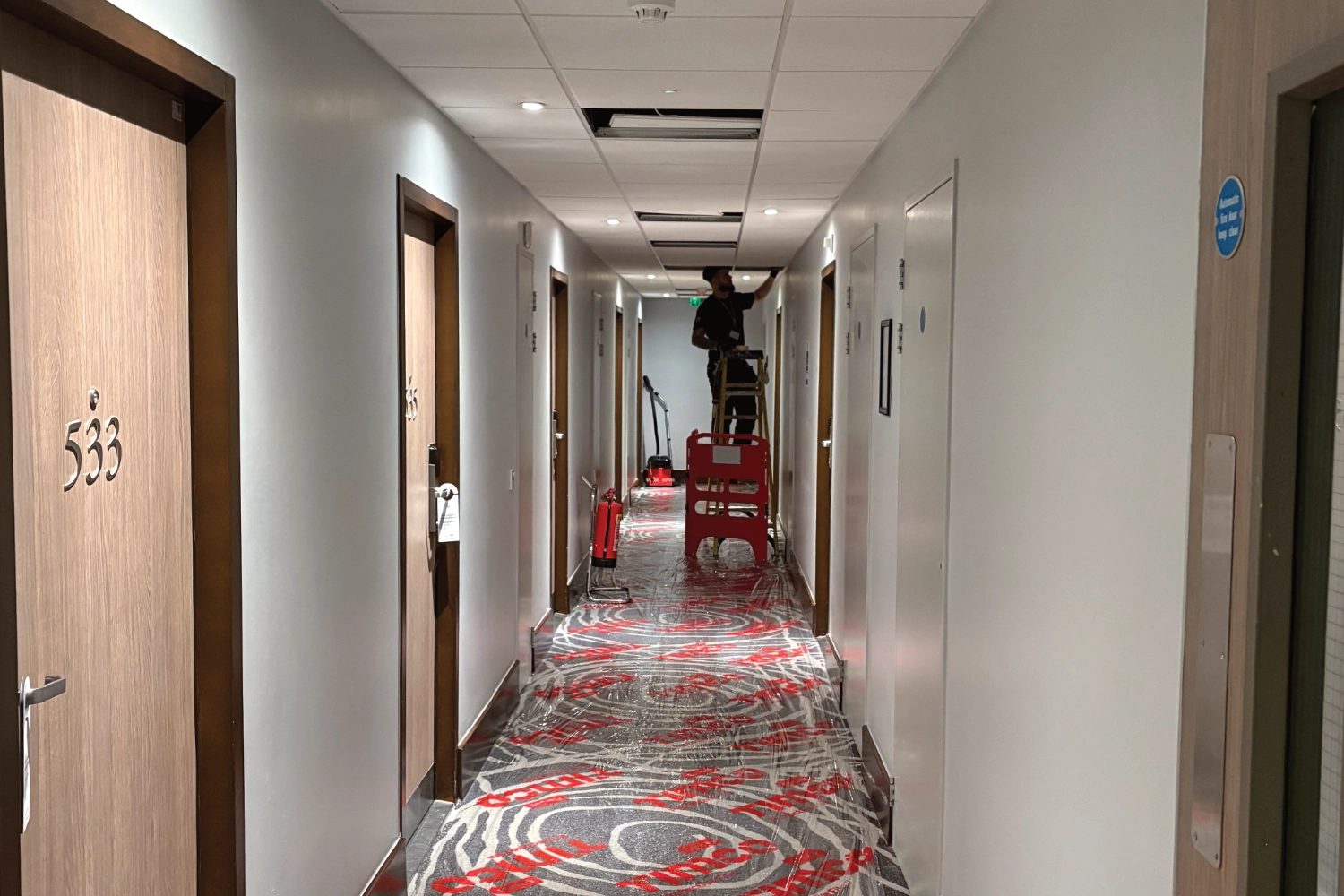
Meanwhile, the building itself presented further complexity. Spread across multiple floors and fire alarm loops, the system required a phased, loop-by-loop replacement strategy. Each section would need to be isolated, tested, and fully reinstated within a narrow daily timeframe – typically between late morning check-outs and afternoon check-ins. Furthermore, there was a strict requirement to work discreetly within this live hospitality environment – noise, dust, access restrictions, and guest movement would require meticulous management.