Fire protection services

Passive and active fire protection solutions that safeguard people, property and buildings throughout their lifecycle.

Find anything

Case Studies

Restoring fire damper compliance in a Grade I-listed museum

checkmate-fire-heritage-cs-1.webp

1 August 2026

Working out of hours, Checkmate Fire located, tested, and remediated hidden fire dampers throughout one of London’s busiest Grade I-listed buildings – restoring compliance while minimising disruption.

Reading time:

Project overview

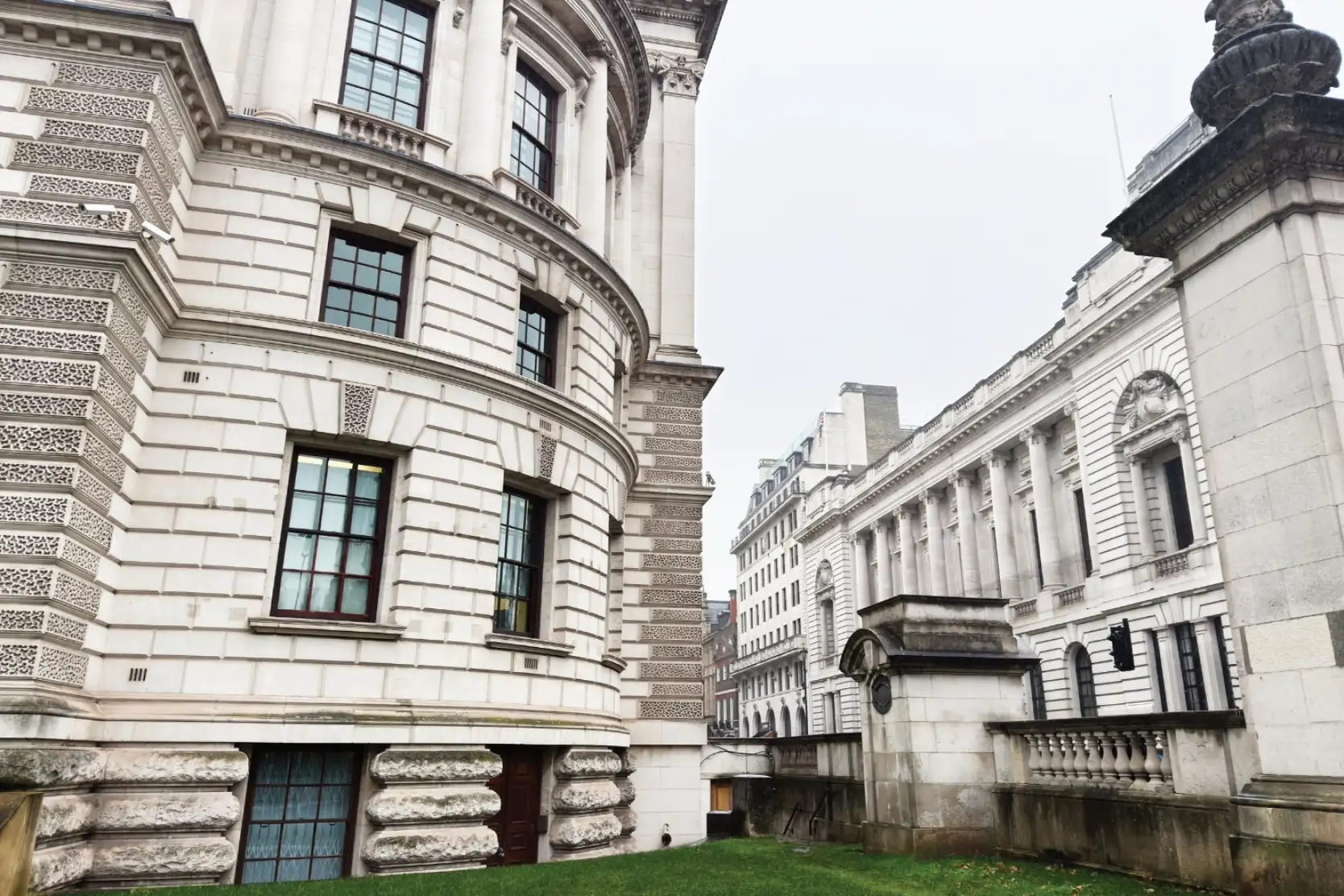
Maintaining fire safety compliance within a nationally significant heritage building requires far more than routine inspection and maintenance alone. In this case, a Grade I-listed, subterranean museum in central London required a fully evidenced fire damper programme to strengthen regulatory compliance and support the building’s wider compartmentation strategy – all while remaining open to visitors seven days a week.

Checkmate Fire was brought in to inspect, test, remediate, and, where necessary, replace fire dampers throughout the building, while maintaining the integrity of the historic environment and minimising disruption to day-to-day operations. Delivered entirely out of hours, the project demonstrates our ability to restore confidence in hidden passive fire protection systems within some of the UK’s most sensitive and operationally challenging buildings.

The challenge 

Fire dampers’ hidden nature brings about an overarching challenge for every industry – there are no daily cues to prompt attention, nor any obvious signs of wear and tear. Yet, their importance is such that their failure can compromise the integrity of an entire fire strategy. This building’s fire damper estate presented several operational and compliance challenges. Many assets were concealed within tight ceiling voids, subterranean ductwork, and restricted back-of-house areas, while existing records and asset information were incomplete in places. As a result, fire dampers first needed to be located, verified, and incorporated into an accurate asset register before any meaningful inspection could begin. 

The programme was commissioned to bring the museum’s fire damper estate into a demonstrably compliant planned preventative maintenance (PPM) regime, while completing prioritised remediation where dampers or installations failed to meet required standards. All works had to be undertaken within a live public environment containing sensitive historic finishes and strict heritage constraints. Intrusive access, drilling, dust, and noise required careful control to protect the listed fabric and preserve the visitor experience. Furthermore, fire dampers identified as defective or inaccessible required immediate remediation or replacement planning, often within highly constrained access routes and under strict permit controls. 

Maintaining safety, compliance, and operational continuity throughout the programme would demand precise coordination and a carefully sequenced delivery approach. 

Checkmate Fire was a fantastic company to work with – from initial inspection all the way through to handover. This project presented several challenges, not least of which was working in tight, cramped conditions in a Grade I-listed building. The team offered good solutions to all the various site issues and completed the project on time and within budget.


Michael Louth, project manager at Inner City Fire Solutions

The result 

The project was successfully delivered within agreed timeframes and budget, and the museum was able to remain fully operational throughout. Through a combination of detailed asset validation, structured testing, and targeted remediation, we helped establish a demonstrable fire damper compliance position across the premises. The building is now equipped with a fully updated register, certification pack, and clear evidence trail to support ongoing fire safety governance.

Crucially, the remediation-first approach enabled more than 20 fire dampers to be restored to a compliant working condition, with only a small number requiring full replacement where repair was not technically viable. This reduced unnecessary replacement costs, minimised waste, and avoided further disruption within this sensitive heritage environment. 

By restoring confidence in the performance of these hidden life safety systems – and providing assurance the fire dampers will close as intended in the event of a fire – the project strengthened the building’s wider compartmentation strategy and long-term compliance position.

Our solution 

Checkmate Fire delivered a structured fire damper inspection, cleaning, testing, and remediation programme, which was designed specifically for the complexities of a live Grade I heritage environment. Working entirely out of hours, the team carefully coordinated all activities around the building’s operational requirements, ensuring the museum could remain fully open to visitors throughout the duration of the project.

In the pre-start planning phase of our controlled PPM methodology, the team agreed standards, test frequencies, and evidence requirements, while also covering permit-to-work rules and issuing the risk assessment method statement (RAMS) and other task-specific risk assessments. The programme began with a comprehensive review of available asset information – this included historic drawings, operation and maintenance manuals, and previous inspection records. Where damper locations were unclear or undocumented, our specialists undertook detailed ‘search and locate’ investigations to verify asset positions, confirm accessibility, and create a fully evidenced fire damper register with unique identification references.

Once validated, each fire damper underwent inspection, cleaning, and functional drop testing to assess performance and compliance against relevant standards and manufacturer requirements. Extensive photographic evidence and condition grading enabled the team to identify defects, prioritise risk, and develop a targeted remediation strategy. Importantly, a remediation-first approach was adopted wherever technically viable, which meant cleaning and freeing seized components, rectifying obstructions, repairing fixings, replacing fusible links, and reinstating compliant access arrangements – all before any need arose to recommend full replacement.

Given the building’s Grade I-listed status and confined subterranean environment, strict controls were implemented around dust, noise, access, security, and protection of historic finishes. Close collaboration with site management ensured all works, permits, and segregation and signage were carefully managed to avoid peak visitor periods and maintain safe public routes. Meanwhile, updated certification, remediation records, and compliance documentation supported the client’s ongoing fire safety governance and reporting to aid the golden thread of information.


Fire dampers are one of the most overlooked elements of a building’s fire strategy, particularly in older and more complex estates where access, documentation, and historic alterations can present significant challenges. This particular project demonstrates the importance of combining technical expertise with a remediation-led approach to deliver meaningful compliance improvements without unnecessary disruption or replacement.


Paul McAllister, sales director at Checkmate Fire

Ready to understand your building’s fire safety requirements?