



Fire protection services

Passive and active fire protection solutions that safeguard people, property and buildings throughout their lifecycle.

Fire alarms

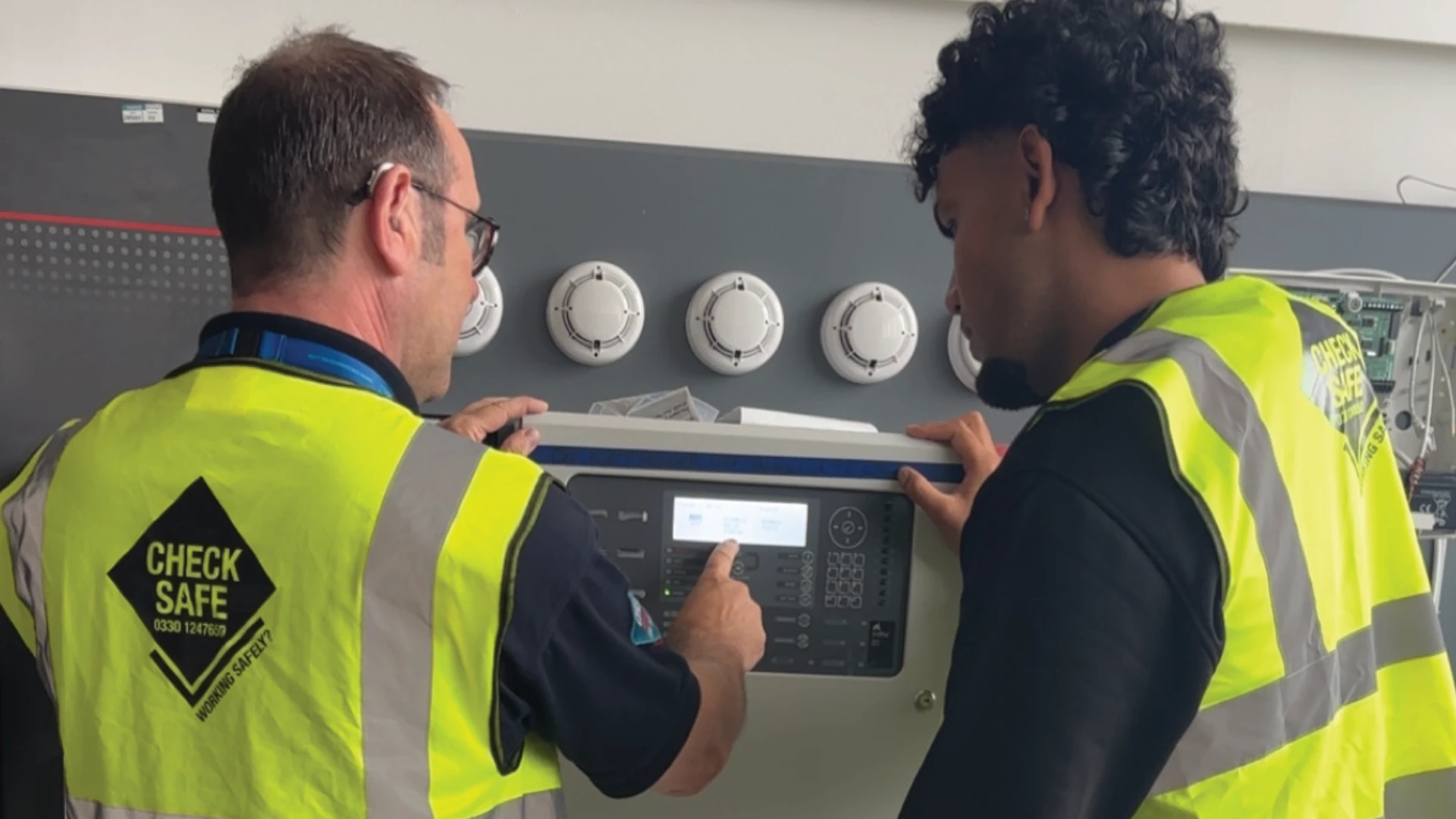
From site survey and system design through to installation, commissioning, monitoring, maintenance, and emergency repairs, our specialists deliver end-to-end commercial fire alarm services to support a fully coordinated fire strategy.

Scroll to explore
checkmate-fire-fire-alarms-2.webp
PROVEN EXPERTISE

At Checkmate Fire, we believe the right fire alarm solution begins with independent, manufacturer-agnostic expertise – not a fixed product line.

Fire alarms are an essential part of any robust fire strategy, with early alerts helping to protect life, minimise property damage, and comply with strict legal and insurance requirements. Yet, too often, they are overlooked as a quick and simple installation exercise that can be completed in mere minutes. In reality, commercial fire alarm systems are complex and multifaceted. Requirements must be determined by a comprehensive fire risk assessment, which evaluates the specific fire hazards present within a building and how they affect people and property. They must then be positioned and installed in line with relevant British Standards, frequently tested and inspected to ensure reliable operation, and professionally certified to demonstrate rigorous regulatory compliance.

Certified by NSI, registered with BAFE, and experienced in working with a range of fire alarm manufacturers – including Notifier, Hochiki, Advanced, Gent, and Morley – our specialists provide fully accredited, evidence-led recommendations tailored to each environment. So, whether you are responsible for a single site or a UK-wide portfolio, you can ensure confident fire alarm life cycle management through one trusted partner.

Speak with our fire alarm specialists
OUR SUPPORT

A comprehensive approach to fire detection and alerts

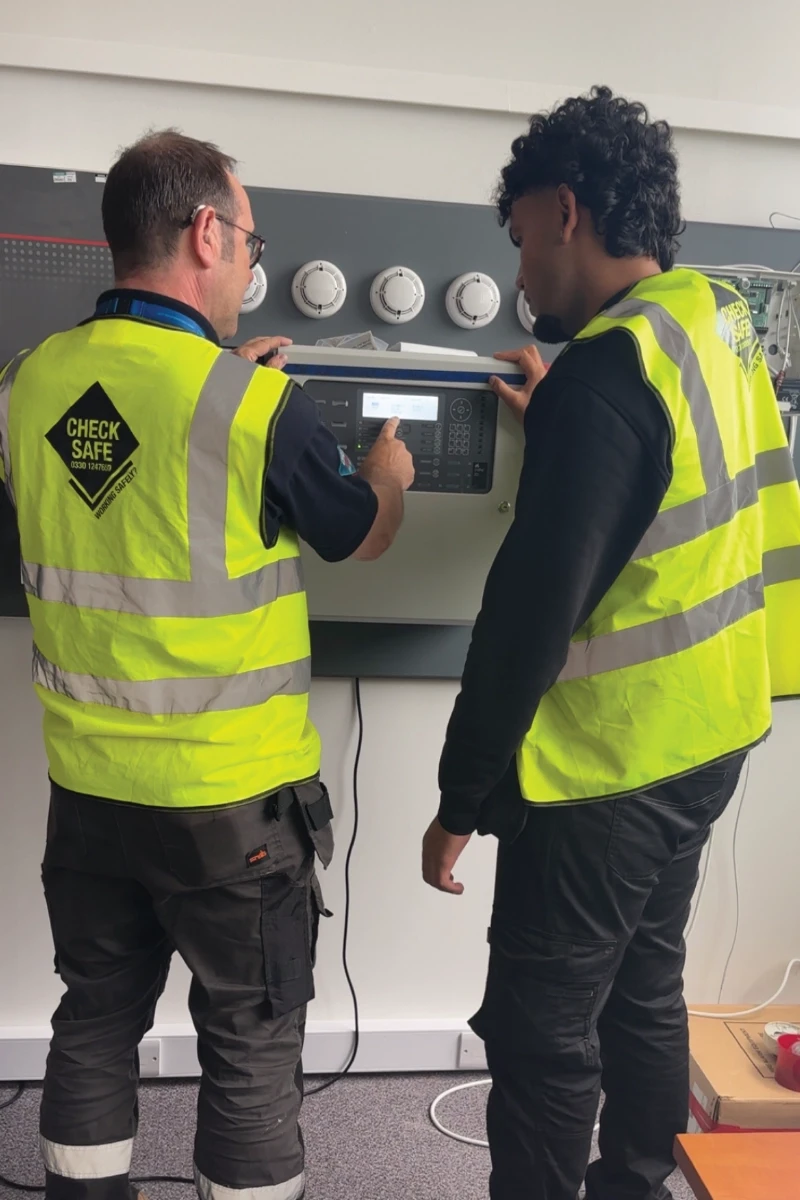
From professional site surveys – in which our engineers assess the building’s layout, existing equipment, and unique fire risk – to fire alarm inspection services commissioned to ensure equipment functions correctly, we offer a coordinated, end-to-end approach.

Survey

We begin by examining your building in detail – including its layout, room sizes, ceiling heights, escape routes, occupancy patterns, and any higher-risk areas that could affect the positioning of a commercial fire alarm system. Structural components like asbestos, for example, can restrict cabling and influence which system suits the building best. If any components are already in place, we review their age, condition, and configuration to flag any deficiencies and decide what can be repaired versus what should be replaced.

Design

Using fire risk assessment findings and any insurance requirements, we work across conventional and addressable systems – wired, wireless, or hybrid – selecting the right protocol (open, closed, or managed) for each environment’s needs and budgets. Heat detectors may be specified for kitchens, plant rooms, and dust-prone settings, where smoke triggers are more likely to cause false alarms. We also plan interfaces with lifts, door release, or smoke control systems where needed.

Installation

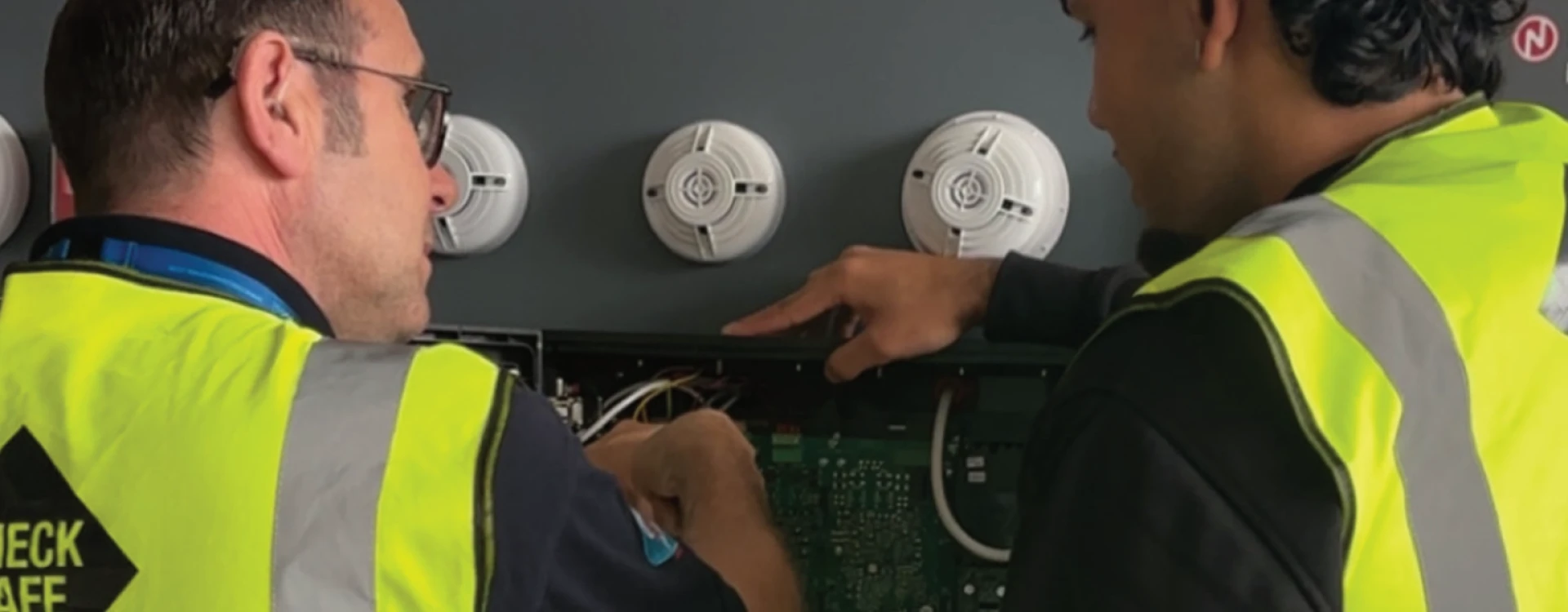
Our engineers translate the design into a fully functional system, working closely with contractors and on-the-ground teams to minimise wider disruption. On upgrade projects, we also make sure new devices integrate properly with what is already there, so the finished setup performs as one coherent system. Then, we verify performance before handover, providing complete documentation – O&M manuals, as-fitted drawings, zone charts, and certification – as evidence for your building’s fire safety records.

Monitoring

Where a building is unoccupied or cannot rely on immediate on-site response, we connect the fire alarm panel to a receiving centre via a dedicated signalling device. Any fire or fault signal is transmitted automatically to trained operations, working around the clock, who escalate genuine alarms straight to fire and rescue services. This is particularly useful for multi-site clients that rely on comprehensive oversight and reporting to stay responsive to risks.

Maintenance

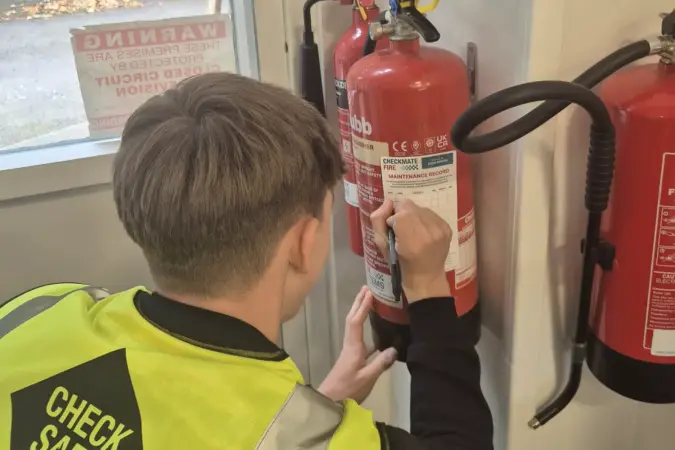
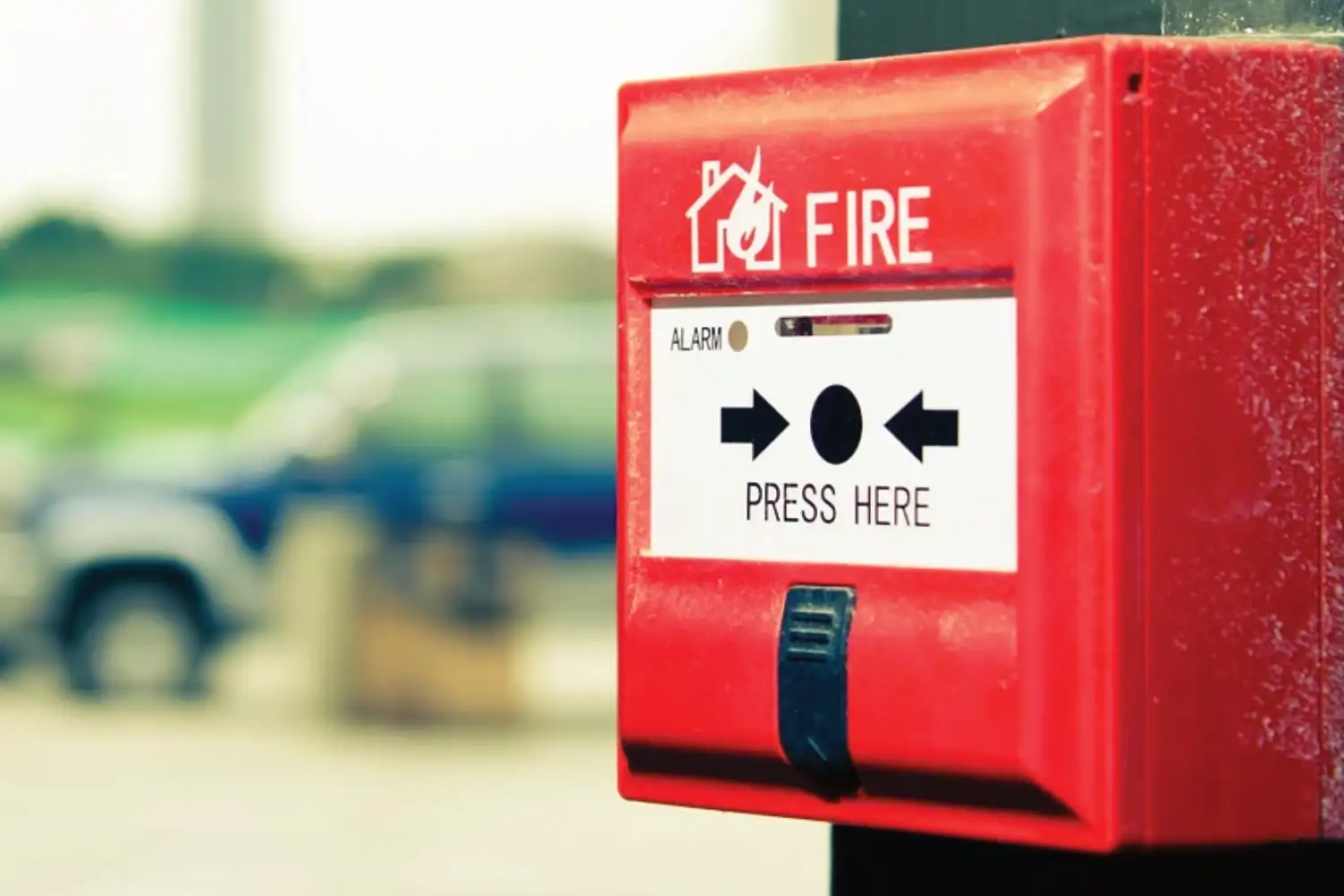
The Regulatory Reform (Fire Safety) Order 2005 places a legal duty on the building’s responsible person to keep fire alarm systems in efficient working order. Our commercial fire alarm maintenance visits – scheduled quarterly or six-monthly per BS 5839-1:2025 – include functional testing of detectors and call points, control panel and battery checks, fire brigade signalling tests where applicable, logbook updates, and remedial works, reducing faults and false alarms while evidencing ongoing compliance.

Emergency callouts

Faults and false activations can happen even to well-maintained systems, so we back every installation with round-the-clock emergency support. On receiving an emergency callout, we deploy a trained engineer to your site within your specified service level agreement (SLA), using diagnostic equipment and fault history to identify issues quickly. First-time fixes are completed on site wherever possible, while temporary repairs, follow-up visits, and clear quotes are arranged for larger or more complex remedial works.

checkmate-fire-fire-alarms-5.webp

Fire alarms are not off-the-shelf devices. Rather, they are custom-engineered systems that must be tailored to a building’s specific risk profile – today and as it evolves.

Best-in-class equipment is important, but more than this, compliant fire alarm systems demand competent delivery backed by recognised industry standards.
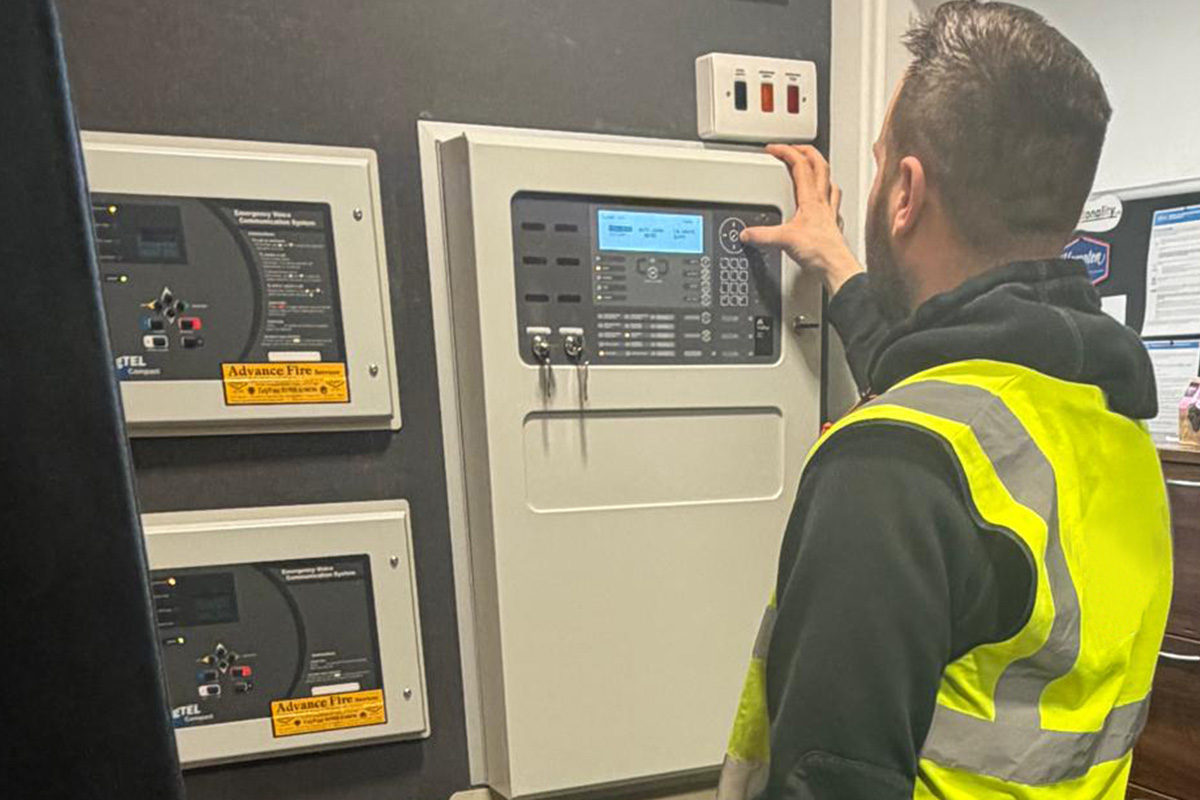
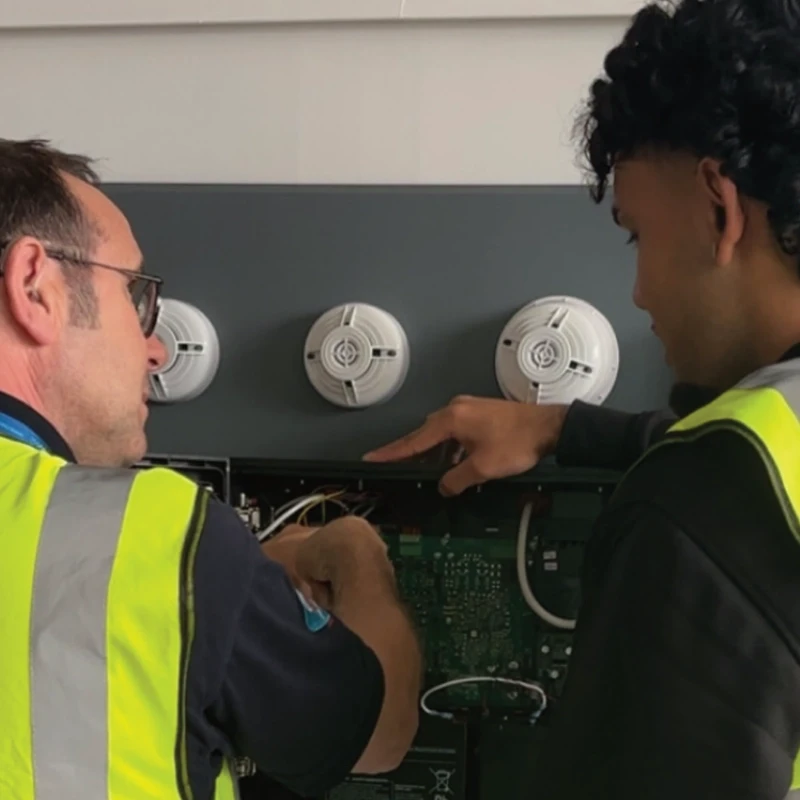
When it comes to commercial fire alarm systems, installation is only a fraction of what is required. Components must be considered alongside the building’s fire strategy from the earliest possible stages of construction or refurbishment, then correctly designed, installed, commissioned, and handed over before the building is occupied. Under the RRFSO, it is then up to the responsible person to ensure such systems are maintained and managed as part of the building’s wider fire safety arrangements.

Our work is guided strictly by the recommendations of BS 5839-1:2025 – the current code of practice for fire detection and alarm systems in non-domestic premises – and backed by third-party certification under the BAFE SP203-1 scheme. Plus, with NSI, CHAS, and SAFEcontractor accreditation, you can trust that our people, processes, and site conduct meet recognised safety and competency standards at every stage. Whether we are supporting a busy hotel that demands reliable detection without impacting the guest experience, or a student accommodation block with shared facilities and complex layouts, our commitment to rigorous quality standards truly does not waver.

BAFE SP 203-1

BAFE SP203-1 provides independent third-party certification for organisations delivering fire detection and alarm services across the key stages of a system’s life cycle – design, installation, commissioning and handover, and maintenance. Checkmate Fire is fully certified across each of these stages, demonstrating that our processes, competence, and quality controls have been rigorously assessed and meet stringent British Standards (specifically BS 5839-1). This not only provides operational peace of mind for clients, but also provides strong assurance for stakeholders and future due diligence exercises, showing investors and insurers that essential fire safety measures have been handled by a verified expert.

BS 5839-1:2025

BS 5839-1:2025 is not a statutory framework in itself, but a recognised code of practice for fire detection and alarm systems in non-domestic premises – covering planning, design, installation, commissioning, and maintenance. Following its relevant recommendations can help duty holders demonstrate that their building’s fire alarm arrangements have been designed and managed in line with recognised best practice.

We use this standard to guide every stage of our work, including:

  • Assessing the building and its intended use

  • Selecting suitable fire detection and alarm equipment

  • Design coverage for smoke detectors, heat detectors, and other relevant system components

  • Coordinating the system with the building’s fire strategy

  • Recording design decisions, responsibilities, and variations

  • Testing and commissioning the completed installation

  • Providing clear handover information and system records

  • Carrying out commercial fire alarm inspection, testing, and maintenance on a regular, scheduled basis

  • Minimising false alarms through comprehensive design and testing and managing a coordinated emergency repair response

Complete fire safety assurance

We deliver all fire safety services in line with current legislation, guidance, and third-party accreditation standards.

Technical expertise and practical delivery

Combining specialist fire safety knowledge with practical experience, we bridge the gap between strategy and reality to deliver greater certainty, informed investment decisions, and confidence in managing assets.

Nationwide coverage

Our UK-wide network provides consistent expertise wherever your buildings are located, supporting sprawling estates and multi-site portfolios.

An end-to-end service

Bringing together specialist consultancy, inspections, remediation, and installation, we provide a complete view of fire safety – from initial assessment through to long-term assurance and evidence.

Find the right support

Whether you’re looking for a service, sector, resource, or technical guidance, quickly find the expertise and support you need to move forward with confidence.

warning-icon-64x64.svg

Fire alarms: did you know?

Under 2025 revisions to BS 5839-1, commercial fire alarm installation practices must now address potential ‘shadow spots’ – structural elements like deep beams and ductwork – that could prevent heat or smoke from reaching a detector.

HOW CAN WE HELP?

Looking for life cycle fire alarm management support?

Whether you are responding to audit findings, planning refurbishment works, or ensuring ongoing regulatory compliance, we are here to help. From inspection and remediation through to installation and maintenance, our services ensure every commercial fire alarm system is technically robust, comprehensively evidenced, and fully aligned with your building’s wider fire strategy.